
NWi
Cross-Border Insights Global Overview|Fast FoodCategory
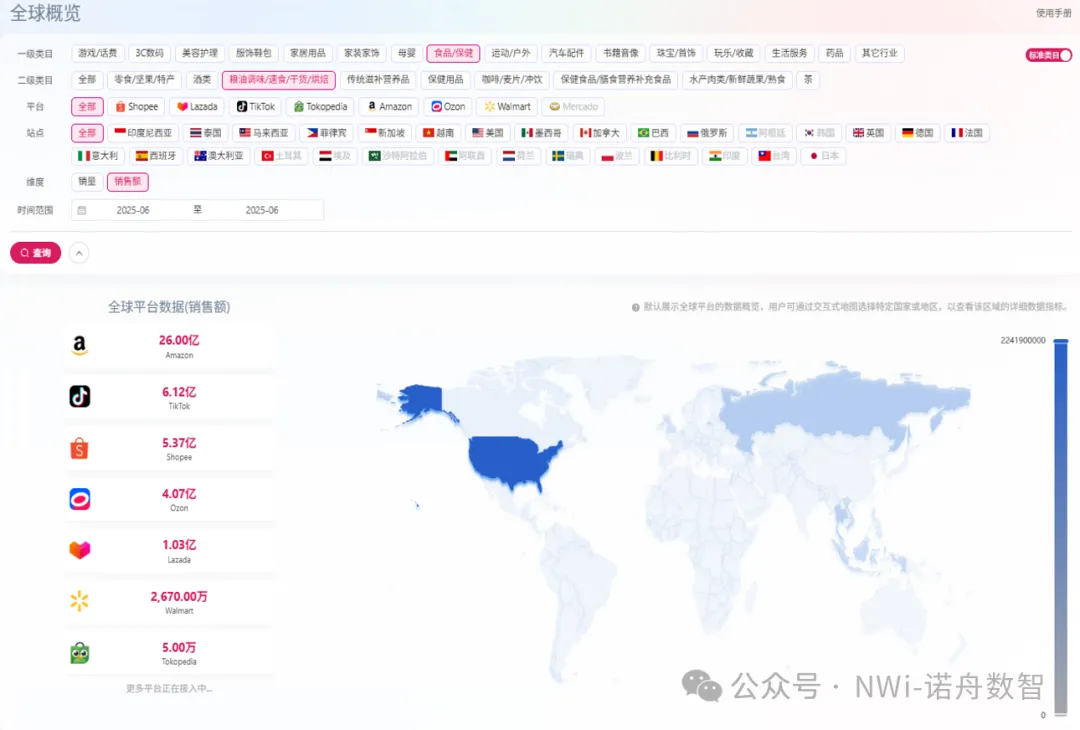
Source: NWi CrossborderGo Global Overview-Quick Food CategorySales Revenue in June 2025
2025 Jul.
Food goes global
Instant food crosses taste lines faster
After content and clothing, food is becoming the next growth route for Chinese brands selling abroad. Compared with single traditional food products, instant food adapts to local taste more easily, packs conveniently, and sells through more channels. That makes it a faster way to reach first-time buyers. From Vietnam to Russia, local taste sets both the challenge and the opening for Chinese instant food. Taste may travel faster than words.
01
Across Siberia: how to win over Russian tastes
Russian eating habits
1. Staple foods are mainly bread, potatoes, and cereals, and noodles are highly acceptable.
pasta (макароны) is one of the staple foods in Russian households. It is fried or grilled with meat and sauce. The consumption habits are similar to those in Italy, but they prefer combinations with strong flavors and strong satiety.
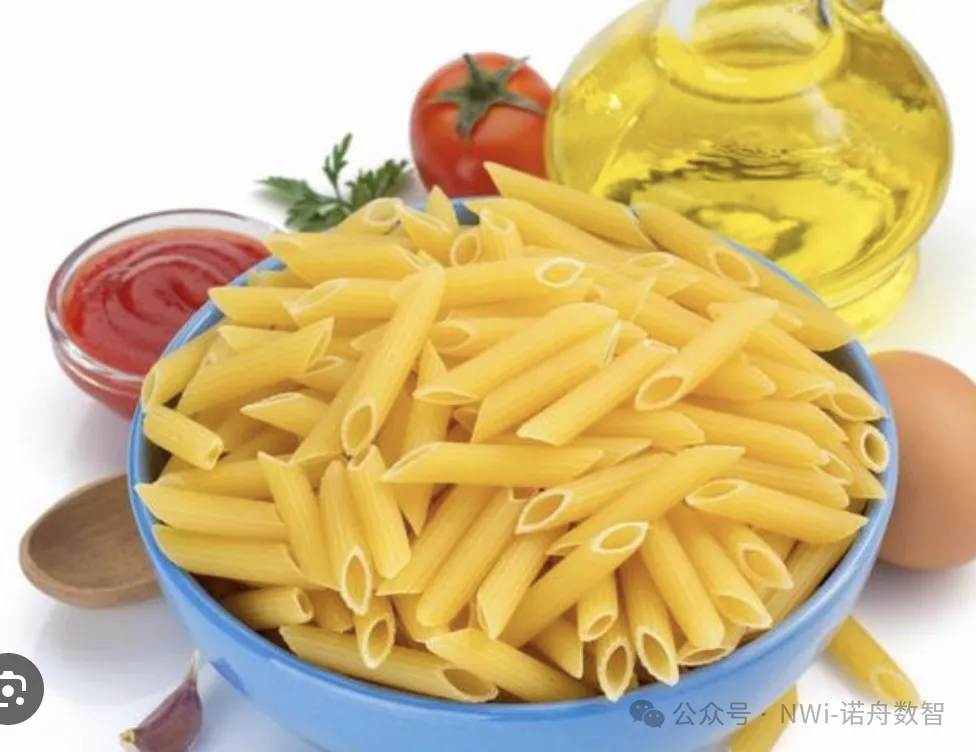
Flour, cereals (such as buckwheat, oats) are also widely used in home-made foods, such as pizza (blini), dumplings (pelmeni), bread, etc., so raw material commodities also have a strong demand base.
Compared to East or Southeast Asia, Russian people Lower consumption of rice , more commonly used in specific dishes (such as Central Asian-style pilaf).
2. Preference for hot food, food with strong taste and high fat content
The overall Russian diet is biased High in calories, high in fat, heavy in taste , due to the cold geographical environment, people's daily intake tends to be "calorie + satiety" orientation.
Like food with Meat, cream, butter, cheese, pickled flavors , so convenience foods such as macaroni with sauce, instant pasta, baked rice, and canned foods have a certain degree of acceptance.
Source: NWi CrossborderGo
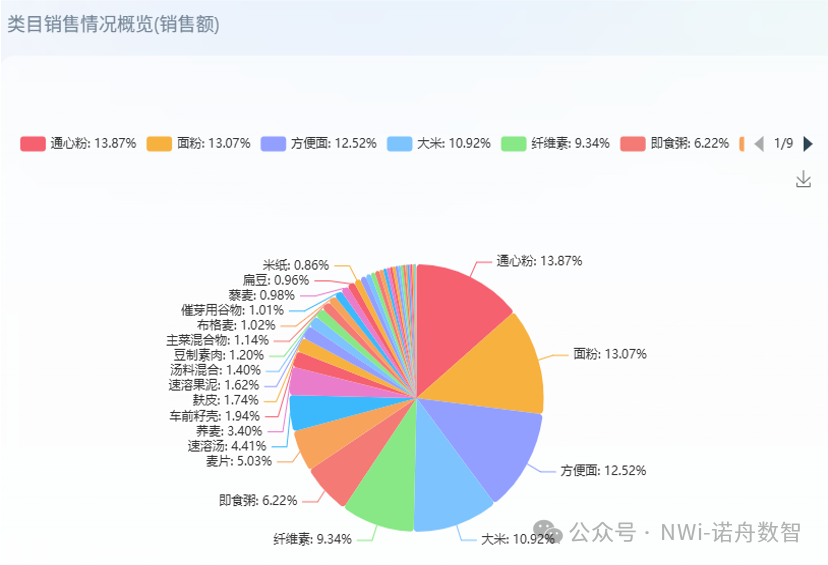
Judging from the sales data in June 2025, the consumption preferences of users on the Ozon platform in the Russian-speaking area are "Hoarding" raw materials in existing household scenarios , there are also Ready-to-eat products for everyday convenience.
1. Macaroni and flour occupy the forefront of sales volume, and the staple food structure is stable.
The data shows, pasta Products in this category account for approximately 14% , slightly higher than Flour (13%) and Instant noodles (13%) , rice accounts for about 11%. This structure shows that in Russian-speaking areas, traditional Western-style pasta (such as macaroni) and raw materials for basic baking and home cooking are still high-frequency purchase categories for consumers.
Source: NWi CrossborderGo
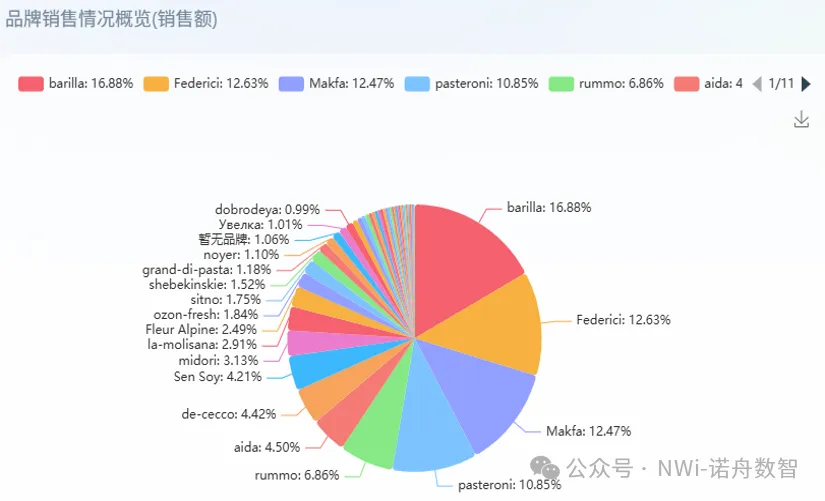
In the pasta category, Italian brands Barilla Occupying approx. 17% sales volume share, firmly occupying the top position. This proportion is within Category It is not a monopoly advantage, But it is enough to reflect that the brand's influence in consumers' minds has been established.
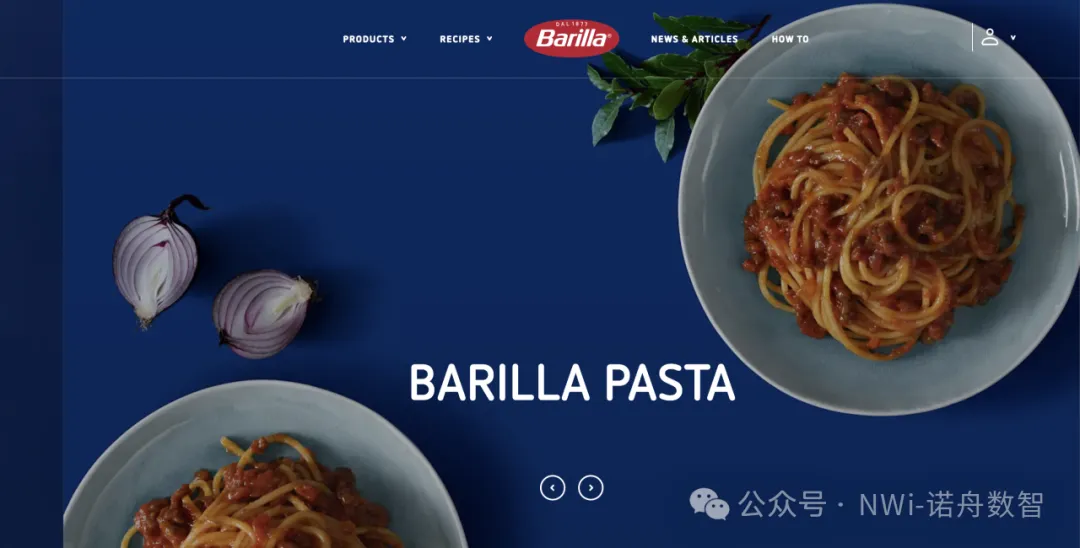
Barilla is known for its products Stable quality and long brand history Winning a large number of loyal users shows that the influence of "brand consumption" in this market is increasing.
For Chinese overseas brands, this also sends a signal: Brand power It can be a lever to leverage sales volume, especially in Russian-speaking areas where European and American food traditions are more accepted.
Despite Barilla’s impressive performance, Its prices are generally higher than the market average , which also creates differentiated entry opportunities for Chinese brands.
Products with mid-range prices that emphasize cost-effectiveness and functional differences, such as "nutritional macaroni", "rice noodles for children/seniors", and "low GI healthy flour", can quickly build user reputation. If Chinese brands can strengthen their packaging "Natural ingredients" "Non-fried" "High protein" and other labels, it is expected to gain a stronger sense of market recognition.
At the same time, emphasizing the characteristics of China’s origin (such as Northeastern rice, Xinjiang wheat flour) + quality packaging + platform praise mechanism is expected to quickly build consumer trust on platforms such as Ozon.
02
Can Chinese flavors win over Vietnamese buyers?
Set against the stable structure of the Russian-speaking market, Vietnam’s Shopee food and beverage category looks faster-moving and younger: snacks are chosen for quick satisfaction and novelty , and Vietnamese buyers care about taste far more than about nutrients and calories. Instant noodles and deli snacks are the two subcategories growing fastest, which gives overseas brands a window to build volume quickly.
Because the taste and the eating rhythm are already close, Chinese instant food needs only a little Southeast Asian seasoning to win over Vietnamese buyers.
Instant noodles are close to universal
Source: NWi CrossborderGo
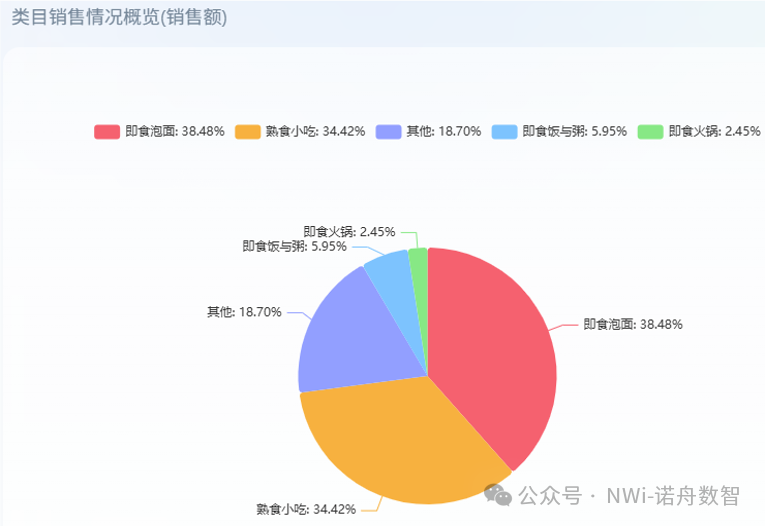
On Shopee Vietnam, instant noodles account for 40% of the convenience fast-food subcategory, the largest single segment, and sales are still growing steadily.
Instant noodles have a deep base of demand in Vietnam and count as a high-frequency staple : a stand-in for a daily meal, an overtime snack, or cheap food for students.
Vietnamese consumers prefer hot and sour instant noodles, especially among young people, who are very sensitive to the layering, excitement and fusion of local flavors. New flavors, new brands, and new packaging are also more accepted.
Potential cooked food snacks
Source: NWi CrossborderGo
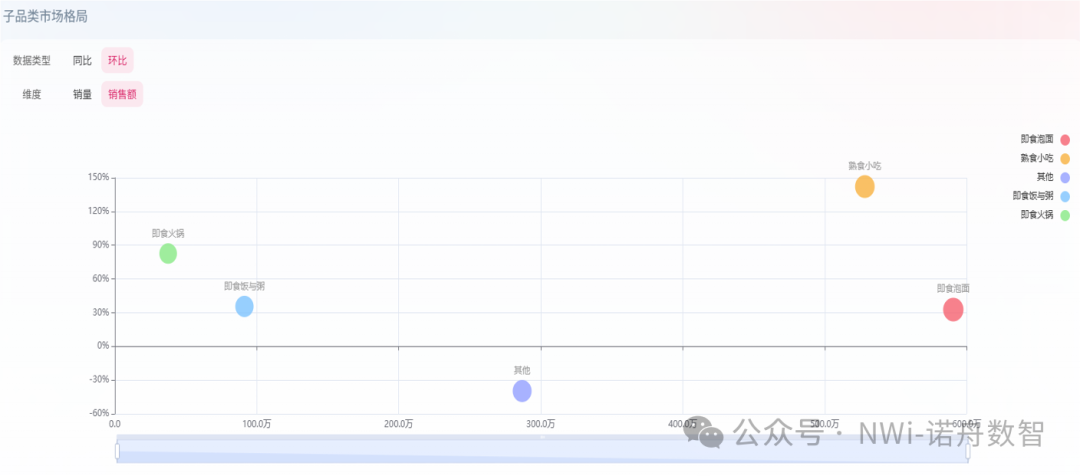
The data shows, “Deli snacks” Category A month-on-month increase of nearly 150% , showing "Early adopter + social" consumption characteristics , common categories include:
• Ready-to-eat braised food (chicken feet, duck neck, chicken wings)
• Vacuum packed snacks (fish tofu, dried tofu, sausages)
• Small packages of dried meat/pork floss/pickled pepper products
Source: NWi CrossborderGo
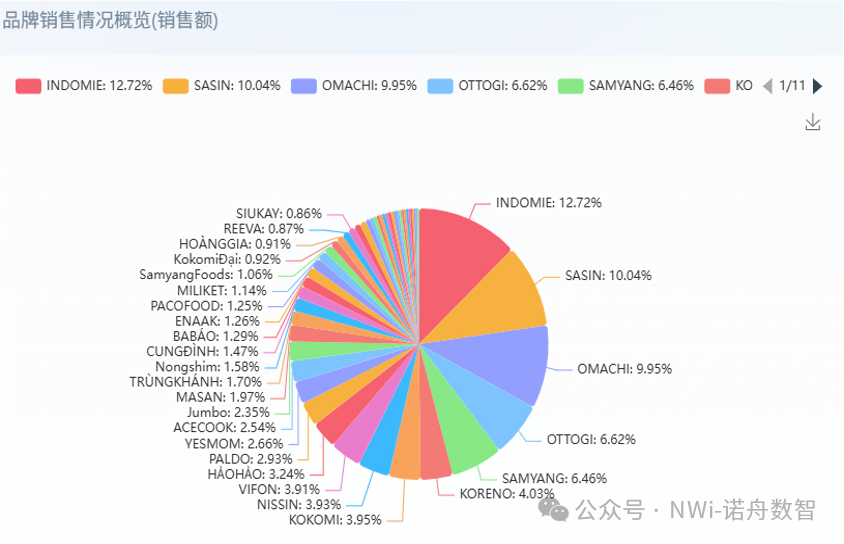
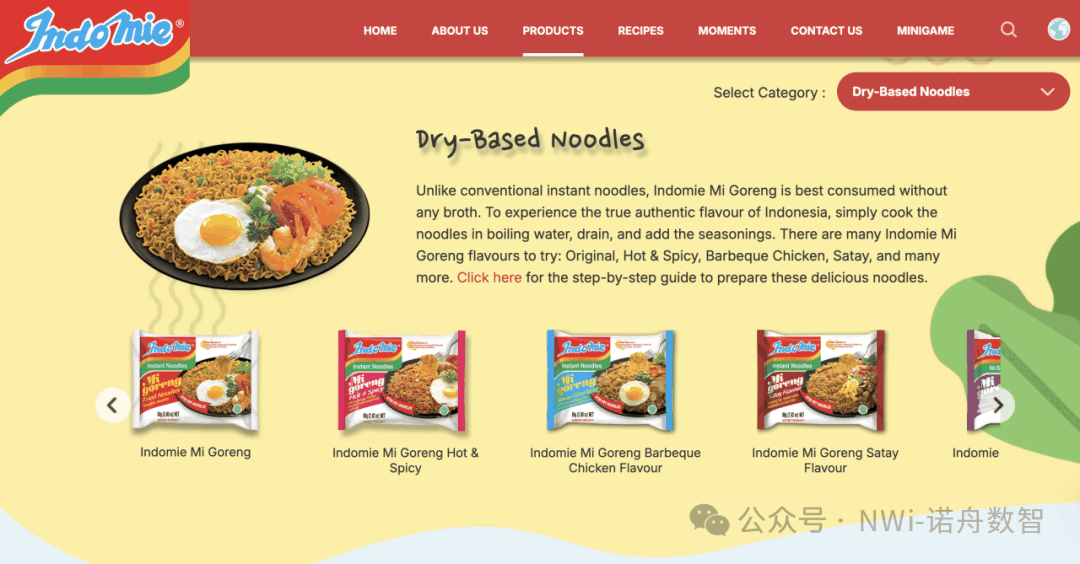
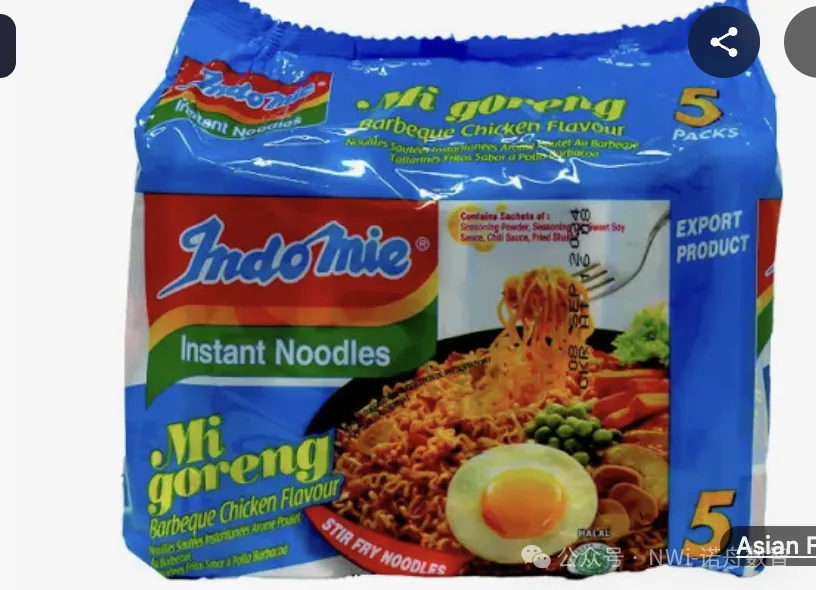
INDOMIE is the top fast food brand in Vietnam Indonesia Brand, SASIN is Thailand Brand, OMACHI is Vietnam Local brand, where the soil and water support the people, it has the best sales volume of fast food in Vietnam Still a brand from Southeast Asia , for Chinese overseas enterprises, We cannot forcefully export “Chinese flavor” and must improve the flavor of Southeast Asia. , and then on the basis of improving the taste Find other breakthrough points.
Shopee consumers are mainly young people aged 18-35, concentrated in first- and second-tier cities such as Ho Chi Minh City, Hanoi, and Da Nang. They have three major characteristics in food consumption:
•
Focus on appearance, taste, and packaging experience. Packaging is communication.
• Like to try new things, and are increasingly receptive to Chinese special flavors (such as spicy and sour).
• Tend to pass
Shopee live broadcast, TikTok short video, KOL delivery
To discover products through other methods, brands going global must not only have “product power” but also build
"Content + Channel"
Together.
Compared with the "raw material + brand" structure in the Russian-speaking area, the Vietnamese market is more inclined to "high-frequency fast-moving products + social attributes + popular flavors", providing natural soil for small and medium-sized fast food brands to overtake in corners. As long as product selection is accurate, packaging is innovative, and content marketing keeps pace, Chinese brands have every chance to incubate "Vietnamese popular products" on Shopee.
Whether instant food becomes the breakthrough for Chinese food brands depends on product strength, channel strategy, and how deeply a brand localizes. Taste preferences differ by market, but the common ground is the same: tasty, convenient, and good value . Starting from taste may be the fastest way to reach an overseas consumer.